



 download PDF
Introduction
Working life constitutes a large part of human life. Many people spend the majority of their lives and time working at a job. Although this time affects people in many areas including physical, psychological, social and economic, it mostly affects human health1. Occupational diseases are defined as all temporary or permanent diseases caused by physical or psychological adverse effects arising from work or the environment in which people work2. Musculoskeletal system disorders are one of the leading occupational diseases, and these disorders are mostly observed in factory workers who are likely to do physical labor. The prevalence of musculoskeletal disorders varies between 41.5% and 97.3% in workers in various fields within the industry3. Musculoskeletal system disorders in workers negatively affect the health of employees and reduce the quality of work. The most common causes of these disorders are working with incorrect posture, lifting of heavy objects, and movements that require excessive strength and repetitive loading. Long working hours, insufficient rest hours, depression, and insomnia are among the risk factors that trigger these disorders in workers4. The upper trunk (64%), upper extremities (60%), wrists (52%) and neck (42%) are the most commonly affected, to varying degrees. These disorders can be manifested by symptoms such as pain, numbness and tingling. They affect the performance of employees and may also reduce the quality of life. All this creates the possibility of an affected employee not being able to continue working and has negative consequences for both workplace and employee5.
Physical ergonomics has a focus on human anatomy and some of the anthropometric, physiological and biomechanical properties associated with physical activity. The principles of physical ergonomics have been widely used in the design of both consumer and industrial products to optimize performance and prevent/treat work-related disorders by reducing the mechanisms behind mechanically induced acute and chronic musculoskeletal injuries/disorders6. The localized mechanical pressures in a sedentary office environment, as well as risk factors such as force and posture, may lead to injuries attributed to the occupational environment7. Assessing posture and activity levels involves collecting data on how the workplace affects different parts of the body, with a focus on ergonomic risks on factory production lines. Despite the widespread use of these assessments, many researchers argue that more practical approaches need to be developed8. Workers in different parts of a factory have various pain and posture disorders. While low back pain is more common in places where heavy lifting is more intense, workers in a packaging section have more pain radiating to the neck, shoulder, and arm5. Among factory and workshop workers, overhead activities, repetitive wrist loading, slouched or squatting postures, and repeated forward and backward bending may increase the risk of work-related musculoskeletal disorders9. Research highlights the significant risks posed by poor body posture among workers, but there remains a lack of studies to assess working conditions and physical requirements in production10. There is therefore a call for more comprehensive approaches that utilize all available information for risk assessment. Poor posture can contribute to musculoskeletal disorders, pain, and fatigue; these may further worsen a worker's posture, potentially increasing work errors and compromising work quality11. Accordingly, the aim of this study was to evaluate posture disorders, physical activity level, pain, and body awareness in rural factory workers in three provinces of Türkiye, and to examine their interrelationships.
Methods
Study design
This cross-sectional study was conducted between December 2023 and February 2024 in rural factories in Sakarya, Bursa and Kocaeli provinces, Türkiye.
Participants
Recruitment was conducted by convenience sampling; 160 workers were invited and 133 participated (response rate 83%). The study included 133 volunteer factory workers (77 women and 56 men). Textile factory workers in Sakarya, paint factory workers in Kocaeli, and cable factory workers in Bursa were included in the study. Study inclusion criteria were age 25–50 years, working in a factory, and working 8 hours per day. Participants with prior or current orthopedic disabilities that affect movement or posture (eg fractures, joint replacements, scoliosis) were excluded.
Outcome measures
Each participant's gender, age, weight, height, working time, working unit, income level and education level were recorded. The Visual Analogue Scale (VAS) was used for pain assessment, the Body Awareness Questionnaire (BAQ) for body awareness, the New York Posture Analysis Questionnaire (NYPA) for posture assessment, and the International Physical Activity Questionnaire – Short Form (IPAQ) to assess physical activity level.
Pain intensity
Pain intensity among workers, assessed using VAS, was evaluated in three distinct conditions – during activity, at rest, and at night – on a scale ranging from 0 to 10. A score of 0 indicated no pain, 2 represented mild pain, 4–6 denoted moderate pain, and 8–10 reflected severe pain12.
Body awareness
The BAQ used for body awareness consists of four subgroups and 18 questions: body reactions, sleep–wake cycle, prediction at the onset of the disease, prediction of changes in the body. For each question, a score between 1 and 7 is required (1, ‘not true for me at all’; 7, ‘completely true for me’). The rating in the questionnaire is based on the total score. The higher the score, the greater the body awareness. The maximum score for the questionnaire is 126. The Turkish validity and reliability study of the questionnaire was conducted by Karaca13.
Physical activity level
The IPAQ used to assess physical activity level consists of seven questions and four sections: moderate physical activity, vigorous physical activity, and walking and sitting. The assessment questions in the questionnaire include physical activity for at least 10 minutes in the previous 7 days. Activity level is determined by the MET (metabolic equivalent of task) method. Vigorous activity was calculated as 8 MET minutes/week, moderate activity as 4 MET minutes/week, walking as 3.3 MET minutes/week and sitting\resting as 1.5 MET minutes/week. Physical activity level is considered in three categories: inactive (<600 MET minutes/week), minimally active (600–3000 MET minutes/week), and very active (>3000 MET minutes/week). Turkish validity and reliability was performed by Saglam et al14.
Posture analysis
The participants' posture analysis was performed by physiotherapists who are experts in the field. The NYPA used for posture analysis involves observing posture changes that may occur in 13 different parts of the body, including the head, neck, shoulders, back, waist, hips and ankles. According to the result of the observation, five points are given if the person's posture is correct, three points if the posture is moderately impaired, and one point if there is a serious disorder. The total score obtained as a result of this test varies between 13 and 65 points. The standard evaluation criteria developed for this test are ‘very good’ ( ≥45 points), ‘good’ (40–44 points), ‘fair’ (30–39 points), ‘poor’ (20–29 points) and ‘very poor’ (≤19 points)15.
Statistical analyses
A priori power analysis was performed with G*Power v3.1.9.7 (Heinrich-Heine-Universität Düsseldorf; https://www.psychologie.hhu.de/arbeitsgruppen/allgemeine-psychologie-und-arbeitspsychologie/gpower) to determine the sample size. An effect size of 0.287 was obtained by calculating the mean values of upper back and shoulder pain VAS scores of a similar study16. Accordingly, it was calculated that 133 participants should be included with 95% power and 5% margin of error. The data were statistically analyzed using the Statistical Package for the Social Sciences v27 (IBM Corp; https://www.ibm.com/products/spss-statistics). Normality of the data distribution was assessed using the Shapiro–Wilk test and the study data were normally distributed. The sociodemographic characteristics and clinical characteristics of the participants are presented as number (%), mean±standard deviation, and median (IQR). The relationship between two continuous variables was evaluated using Spearman’s correlation test. A significance level of p<0.05 was used throughout the analyses to determine statistical significance.
Ethics approval
Ethics approval was obtained from the Ethics Committee of the Sakarya University of Applied Sciences (20.11.2023-E.105799). Voluntary consent forms were signed by the participants. The study was conducted in accordance with the principles of the Declaration of Helsinki.
Results
The demographic characteristics of the participants indicated a mean age of 35.61±9.93 years, a mean BMI of 25.30±4.87 kg/m², a mean duration of employment of 13.52±17.27 years, and a mean monthly income of 13,958.65±4638.26 Turkish lira (A$716.69±A$238.15 based on December 2023 average exchange rate; Table 1). Regarding educational background, 23.1% of participants were primary school graduates, 19.7% were secondary school graduates, 38.5% were high school graduates, 13.7% held an associate degree, and 5.1% held an undergraduate degree.
Pain assessment revealed that most participants experienced mild to moderate pain at rest (2.90±2.55), during activity (3.02±2.68), and at night (3.08±3.09) (Table 1). The distribution of pain scores is presented in Figure 1. A positive and significant correlation was observed between VAS-activity and both VAS-rest (r=0.408, p<0.001) and VAS-night scores (r=0.590, p<0.001) (Table 2), indicating that higher pain levels during activity were associated with increased pain at rest and during the night.
Posture analysis revealed that the most common posture disorders among the participants were head protraction (30.8%), foot arch disorders (30.1%), spinal curvatures (22.6%) and leg asymmetries (25.6%). The mean score according to the NYPA was 59.21±6.46 (Table 1). Although composite NYPA scores indicated generally good posture, a detailed analysis revealed a high prevalence of specific deviations, particularly head protraction and foot arch disorders. However, a significant number of workers had specific problems such as head protrusion (69.2%) and foot arch disorders (69.9%) (Table 3). No statistically significant relationship was found between NYPA and any of the parameters (p>0.05)(Table 2, Table 3).
Regarding physical activity levels, it was seen that the average physical activity level was 2571.72±5516.80 MET (Table 1). Physical activity levels were found to be predominantly low, with 54.14% of participants classified as physically inactive and only 30.07% as fairly active. Correlation analysis revealed that vigorous physical activity levels measured by the IPAQ were significantly and positively correlated with pain during activity (VAS-activity) (r=0.215, p=0.015). Moderate physical activity was also positively associated with night pain (VAS-night) (r=0.200, p=0.024), while showing a weak but significant negative correlation with BAQ (r=–0.188, p=0.031). No significant correlations were found between IPAQ-walking or IPAQ-total scores and any of the VAS, BAQ, or NYPA parameters (p>0.05) (Table 4).
A positive correlation was found between BAQ scores and VAS-activity pain (r=0.189, p=0.034), suggesting that higher body awareness may be associated with increased pain perception during activity. The correlation analysis also showed a significant positive association between years of employment and VAS-rest (r=0.292, p=0.009) and VAS-night scores (r=0.243, p=0.031) (Table 2).
Table 1: Demographic and clinical characteristics of participants in study to evaluate posture disorders, physical activity level, pain, and body awareness in rural factory workers in Türkiye, December 2023 – February 2024
| Characteristic | Variable | n (%)/mean±SD | Median (IQR) |
|---|---|---|---|
| Gender | Female | 77 (57.90) | |
| Male |
56 (42.10) |
||
| Age, years |
35.61±9.93 |
34.50 | |
| Weight, kg |
70.70±16.13 |
70.00 | |
| Height, cm |
166.73±9.51 |
165.00 | |
| BMI, kg/m2 |
25.30±4.87 |
24.91 | |
| Length of employment, years |
13.52±17.27 |
4.00 | |
| Income, Turkish lire† |
7192.74±1924.34 |
11.50 | |
| Department | Textiles | 69 (51.90) | |
| Cable manufacturing |
34 (25.55) |
||
| Door manufacturing |
30 (22.56) |
||
| Pain intensity | VAS-rest | 2.90±2.55 | 2.00 |
| VAS-activity |
3.02±2.68 |
2.00 | |
| VAS-night |
3.08±3.09 |
2.00 | |
| Physical activity level | IPAQ-vigorous | 825.79±3562.43 | 0.00 |
| IPAQ-moderate |
458.94±1849.29 |
0.00 | |
| IPAQ-walking |
1276.32±2293.49 |
346.50 | |
| IPAQ-total |
2571.73±5516.80 |
495.00 | |
| Posture | NYPA | 59.21±6.46 | 61.00 |
| Body awareness | BAQ | 106.81±22.21 | 107.00 |
† AUD1 = TRY19.48; based on average exchange rate December 2023.
BAQ, Body Awareness Questionnaire. IPAQ, International Physical Activity Questionnaire – Short Form. IQR, interquartile range. NYPA, New York Posture Questionnaire. SD, standard deviation. VAS, Visual Analogue Scale.
Table 2: New York Posture Analysis parameters and scores
| Measure | NYPA | VAS-activity | VAS-rest | VAS-night | BAQ | |||||
|---|---|---|---|---|---|---|---|---|---|---|
| r | p | r | p | r | p | r | p | r | p | |
| VAS-activity | –0.016 | 0.602 | 1 | 1 | 0.408 | <0.001*** | –0.138 | 0.122 | 0.189 | 0.034* |
| VAS-rest | –0.063 | 0.482 | 0.408 | <0.001*** | 1 | 1 | 0.537 | <0.001*** | 0.049 | 0.586 |
| VAS-night | –0.138 | 0.122 | 0.590 | <0.001*** | 0.537 | <0.001*** | 1 | 1 | 0.102 | 0.251 |
| BAQ | –0.021 | 0.814 | 0.189 | 0.034* | 0.049 | 0.586 | 0.102 | 0.251 | 1 | 1 |
| Years of employment | –0.071 | 0.525 | 0.157 | 0.162 | 0.292 | 0.009** | 0.243 | 0.031* | 0.046 | 0.682 |
*p<0.05, **p<0.01, ***p<0.001 (Spearman’s correlation test)
BAQ, Body Awareness Questionnaire. NYPA, New York Posture Questionnaire. VAS, Visual Analogue Scale.
Table 3: Results of posture analysis
| NYPA parameter |
1 point n (%) |
3 points n (%) |
5 points n (%) |
NYPA score mean±SD |
|---|---|---|---|---|
| Lateral head alignment | 3 (2.3) | 15 (11.3) | 115 (86.5) | 4.68±0.85 |
| Shoulder level | 2 (1.5) | 26 (19.5) | 105 (78.5) | 4.55±0.91 |
| Spinal alignment | 1 (0.8) | 29 (21.8) | 103 (77.4) | 4.53±0.88 |
| Hip alignment | 3 (2.3) | 19 (14.3) | 111 (83.5) | 4.62±0.89 |
| Leg alignment | 7 (5.3) | 27 (20.3) | 99 (74.4) | 4.38±1.13 |
| Foot arch alignment | 6 (4.5) | 34 (25.6) | 93 (69.9) | 4.31±1.13 |
| Sagittal head position | 6 (4.5) | 35 (26.3) | 92 (69.2) | 4.29±1.13 |
| Chest position | 2 (1.5) | 20 (15.0) | 111 (83.5) | 4.64±0.85 |
| Sagittal shoulder position | 1 (0.8) | 19 (14.3) | 113 (85.0) | 4.68±0.77 |
| Thoracic curvature | 2 (1.5) | 12 (9.0) | 119 (89.5) | 4.76±0.74 |
| Trunk alignment | 2 (1.5) | 20 (15.0) | 111 (83.5) | 4.64±0.85 |
| Abdominal alignment | 4 (3.0) | 22 (16.5) | 107 (80.5) | 4.55±0.97 |
| Lumbar alignment | 4 (3.0) | 21 (15.8) | 108 (81.2) | 4.56±0.96 |
NYPA, New York Posture Analysis. SD, standard deviation.
Table 4: Correlation between physical activity and evaluated parameters
| Measure | VAS-activity | VAS-rest | VAS-night | BAQ | NYPA | |||||
|---|---|---|---|---|---|---|---|---|---|---|
| r | p | r | p | r | p | r | p | r | p | |
| IPAQ-vigorous | 0.215 | 0.015* | 0.133 | 0.137 | 0.136 | 0.125 | –0.062 | 0.483 | –0.032 | 0.716 |
| IPAQ-moderate | 0.072 | 0.421 | 0.084 | 0.348 | 0.200 | 0.024* | –0.188 | 0.031* | 0.091 | 0.301 |
| IPAQ-walking | 0.111 | 0.212 | 0.057 | 0.526 | 0.019 | 0.829 | –0.136 | 0.119 | –0.144 | 0.098 |
| IPAQ-total | 0.213 | 0.017* | 0.136 | 0.127 | 0.158 | 0.076 | –0.152 | 0.083 | –0.050 | 0.566 |
*p<0.05, **p<0.01, ***p<0.001 (Spearman’s correlation test)
BAQ, Body Awareness Questionnaire. IPAQ: International Physical Activity Questionnaire – Short Form. NYPA, New York Posture Questionnaire. VAS, Visual Analogue Scale.
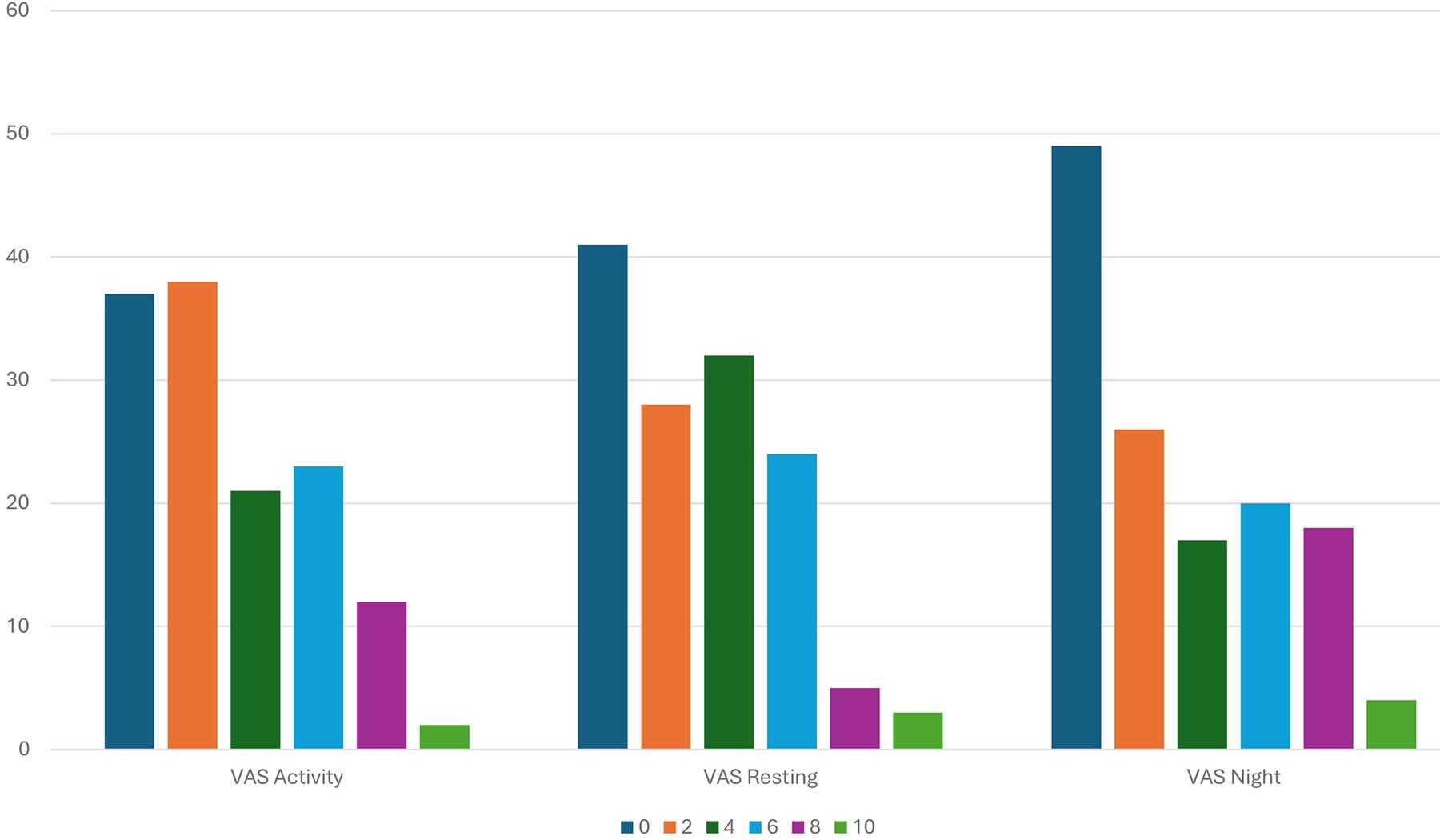 Figure 1: Overview of pain distribution in study participants.
Discussion
Main findings
This study evaluated posture disorders, pain, physical activity level, and body awareness among workers in rural factory settings in Türkiye. The main findings showed that mild-to-moderate pain was common at rest, during activity, and at night; more than half of the participants were physically inactive; and specific postural deviations, particularly head protraction and foot arch disorders, were frequent despite generally adequate global NYPA scores. In addition, years of employment was positively associated with pain at rest and at night. The positive associations between BAQ scores and activity-related pain, and between physical activity intensity and pain, indicate that musculoskeletal symptoms in this population may be related to the cumulative effects of repetitive occupational load, prolonged fixed working positions, insufficient recovery, movement behavior, and body perception.
Discussion in light of the literature
The findings of the present study demonstrated a relationship between working years and pain. It was found that the pain was perceived to increase with increasing years of employment. Although there was no significant result related to posture, it is known that both staying in a physically fixed position and incorrect postures while working increase the stress on the musculoskeletal system17. Our findings showed a positive association between BAQ scores and activity-related pain, suggesting that workers with greater body awareness reported higher pain intensity during activity. Because workers were required to maintain fixed working positions and could not readily modify their tasks, they may have continued working despite experiencing activity-related pain.
In this respect, working under ergonomic conditions is extremely important in terms of posture and musculoskeletal system health. Greater body awareness would generally be expected to be associated with lower pain levels. However, this expected relationship may be altered by non-ergonomic working conditions, prolonged fixed postures, and increased attention to bodily discomfort. It has been reported in the literature that body awareness therapy and aerobic exercise programs are important in reducing pain, improving quality of life and reducing daily limitations due to pain18. We think that non-ergonomic working conditions affect this process adversely in workers. The physiological mechanisms of the body, especially the musculoskeletal system and circulatory system, are sensitive to movement. As immobilization time increases, the feeling of discomfort arises19. This is manifested as muscle or joint pain. Many studies in the literature support this issue20,21. Physical inactivity itself often leads to increased musculoskeletal system disorder pain, accelerated cardiovascular deconditioning, shortened healthy life expectancy, reduced age at onset of first chronic disease, reduced quality of life, increased healthcare costs and increased mortality risk22. The physical activity level of the workers participating in our study was generally low. It was observed that 70% of the participants were physically inactive or minimally physically active. In a study conducted in the literature to evaluate the health level in factory workers, it was reported that the lowest score in the evaluated health parameters was in the physical activity category23. Similarly, in another study involving only female workers, it was reported that the lowest score was obtained from the physical activity subscore24. In the results of our study, similar to the literature, physical activity scores were low. Employers should consider simple ergonomic interventions such as adjustable workstations, task rotation, micro-breaks, and posture training programs. On-site physiotherapy consultations could help prevent chronic pain and absenteeism.
Depending on the working conditions, both non-ergonomic posture and high workload may contribute to musculoskeletal pain and discomfort. In a meta-analysis of 26 studies examining the level of musculoskeletal involvement of workers in a car manufacturing factory, the overall 12-month prevalence of work-related musculoskeletal disorders was 53.1%. When analyzed according to body region, it was seen that the back/waist was most affected, with 36.5%. The prevalence of work-related musculoskeletal disorders in other parts of the body was 36.0% for neck, 31.4% for shoulder, 25.7% for upper back, 12.5% for elbow, 26.6% for wrist/hand, 13.8% for hip/leg, 19.2% for knee, and 21.8% for ankle/foot25. Similarly, in a study conducted on blue-collar workers, Jørgensen et al examined the relationship between low back pain and working position. According to this study, intermittent sitting times at work were found to be effective in reducing low back pain in blue-collar employees who working standing up26. The link between poor posture and low back pain has been suggested in many studies27. Poor posture can exert a large mechanical load on the lower back. Therefore, poor posture can lead to low back pain from a mechanical point of view. In another study, it was reported that the level of pain in workers working in an assembly department negatively affected vitality and mental health; in workers working in the welding department if affected physical function, physical role, and general health. Çetinkaya et al stated that improving working conditions and including health professionals and a physiotherapist in teams are important to increase work performance and productivity28. In a study in which the effects of posture training on musculoskeletal system and pain in textile workers were examined, it was observed that posture training was effective on musculoskeletal disorders, reduced pain, and improved quality of life29. In our study, pain intensity generally increased with longer duration of employment. Accordingly, non-ergonomic working postures and longer occupational exposure may contribute to musculoskeletal pain and postural deviations among factory workers. We think that teaching posture training and energy conservation techniques to factory workers will be effective in decreasing musculoskeletal system pain and will contribute to a healthy life.
The findings of this study revealed a positive correlation between BAQ scores and VAS-activity pain, indicating that individuals with higher body awareness tend to report greater pain intensity during physical activity. This relationship may be explained by the fact that employees who are more attuned to their bodily sensations are also more sensitive to discomfort and pain signals. Moreover, the observed significant associations between years of employment and both VAS-rest and VAS-night scores suggest that longer duration in physically demanding occupations contributes to increased pain at rest and during the night. These results highlight the potential cumulative impact of repetitive or sustained physical workload on musculoskeletal health, underscoring the importance of preventive ergonomic interventions and regular physical assessments for workers engaged in such occupations. Recent work has increasingly recognized the pivotal role of body awareness (or more precisely, interoception – the ability to sense, interpret and respond to internal body signals) in the modulation and maintenance of pain states. A recent systematic review and meta-analysis found that individuals with chronic pain show reduced interoceptive accuracy yet increased interoceptive sensibility, indicating they attend more to bodily sensations but are less precise in detecting internal body signals30. Similarly, interventions oriented towards body awareness and mind–body practices (which implicitly enhance interoceptive processing) have shown significant reductions both in pain intensity and interference, along with improvements in interoceptive awareness31. Recent theoretical work points to interoceptive dysfunction as a mechanism that links altered body–brain integration with chronic pain – changes in afferent signaling, attention to internal cues, and appraisal of bodily sensations all feed into chronification processes32. From an occupational health perspective, especially among workers engaged in physically demanding, repetitive tasks, these findings suggest that not only the external ergonomic load but also the internal body monitoring and awareness are relevant to pain risk and posture problems. In other words, interventions that improve workers’ capacity for non-judgmental body awareness, early recognition of strain, and adaptive responses (rather than hypervigilance or avoidance) may help reduce musculoskeletal pain and functional decline in industrial settings.
Considering the incidence rates of musculoskeletal disorders in the studies conducted in the literature, Abdullah et al showed that the incidence of symptoms of musculoskeletal disorders in the previous 7 days was highest in one or both knees (30.6%), followed by one or both ankles (27%), and the waist (21.6%). When the data for the previous 12 months are analyzed, it is revealed that one or both ankles had the highest prevalence of musculoskeletal disorder symptoms (55.6%), followed by the neck (44.4%), and elbows, wrists and hips (41.7%)33. In the study by Candan et al, symptoms of work-related musculoskeletal disorders and activity limitations were assessed in various body regions during the 12 months preceding the study. The data revealed that the lower back, neck, shoulders, and upper back were the most commonly affected areas, with prevalence rates of 61.4%, 57.9%, 53.6%, and 45.6%, respectively. The elbow was the least affected body part. Among the musculoskeletal system disorders causing activity limitations, low back pain was the most common (37.7%), followed by shoulder pain (24.6%), and neck pain (21.1%)16. According to our study, the body parts most affected by working conditions are head displacement, foot arch disorders, spinal curvatures, and curvatures of the legs. The findings of the present study – showing a high prevalence of specific postural deviations such as head protraction and foot arch disorders, low levels of physical activity in more than half of the participants, and increased pain intensity associated with longer employment duration – are consistent with international research on occupational musculoskeletal health. Systematic reviews have demonstrated that work-related musculoskeletal disorders are highly prevalent among industrial workers and remain a major occupational health concern worldwide7. Similarly, meta-analytic evidence indicates that low physical activity levels are associated with increased postural deviations and musculoskeletal complaints, highlighting the role of movement and exercise in maintaining postural integrity34. Recent studies also emphasize the importance of body awareness (interoception) in pain perception. Individuals with chronic pain often exhibit reduced accuracy but increased sensitivity to bodily sensations, reflecting maladaptive attention to internal cues30,32. In this regard, our finding of a positive correlation between BAQ and pain during activity may represent a similar mechanism, where higher awareness enhances perception of discomfort rather than preventing it. Promoting adaptive (non-judgmental and self-regulated) forms of body awareness in workplace training could therefore help workers better recognize early signs of strain without fostering hypervigilance. Moreover, ergonomic interventions, such as workstation redesign, task rotation, and structured micro-breaks, have been shown to reduce pain and improve function in industrial populations35. Given that rural factory workers often face additional barriers, including limited access to physiotherapy or occupational health services, implementing such interventions on-site becomes even more critical. In Türkiye and similar settings, studies have reported lower physical activity and higher musculoskeletal burden among rural compared to urban workers, underlining the contextual vulnerability of this population36. Taken together, these results align with existing evidence that musculoskeletal pain and postural disorders are not only biomechanical but also behavioral and perceptual phenomena. Future studies should explore ergonomic risks specific to factory type, and integrate body awareness training with physical activity programs to mitigate occupational health problems in rural industrial environments.
The correlation analysis demonstrated that higher levels of vigorous physical activity were associated with increased pain during activity, suggesting that individuals engaging in more intense physical efforts may experience greater musculoskeletal strain or discomfort. Similarly, the positive relationship between moderate physical activity and night pain indicates that even moderate exertion may contribute to delayed pain symptoms, possibly due to muscle fatigue or insufficient recovery. Interestingly, moderate physical activity was also weakly but significantly negatively correlated with body awareness, implying that individuals with lower body awareness might engage in physical activity without adequate attention to their posture or movement control, potentially leading to increased discomfort. On the other hand, no significant associations were observed between walking or total physical activity levels and pain or body awareness measures, indicating that low-intensity daily activities may have limited influence on pain perception or body awareness in this population. These findings collectively highlight the complex relationship between physical activity intensity, pain experience, and body awareness in occupational settings.
Strengths
This study has several strengths. First, it focused on rural factory workers, a population that is relatively underrepresented in occupational health and musculoskeletal research. Second, the study assessed multiple clinically relevant domains, including pain intensity, posture, body awareness, and physical activity level. Third, posture was assessed using a structured observational tool by physiotherapists, which strengthens the clinical relevance of the findings. Finally, the study provides practical data for rural and remote occupational health by showing that pain, postural deviations, and physical inactivity may coexist even when global posture scores appear generally acceptable.
Limitations
This study is limited by its cross-sectional design, which prevents causal interpretation. Pain, physical activity, and body awareness measures included self-reported components, which may be affected by recall bias or individual perception. Convenience sampling may limit generalizability and may introduce volunteer bias. The inclusion of different factory types without subgroup analysis also limits comparability. In addition, factory-specific ergonomic risks, job tasks, workload intensity, shift patterns, psychosocial factors, and objective ergonomic measurements were not examined separately. Future studies should conduct factory-specific analyses, include objective ergonomic assessments, and use longitudinal designs to clarify temporal relationships between occupational exposure, physical activity, posture, body awareness, and pain.
Study impact
The findings of this study have practical implications for rural and remote occupational health. Rural factory workers may experience cumulative musculoskeletal burden related to repetitive work, prolonged employment duration, low physical activity, and limited access to preventive rehabilitation services. Therefore, workplace-based interventions may be particularly valuable. Employers and occupational health teams should consider regular ergonomic risk assessments, workstation modifications, task rotation, structured micro-breaks, posture education, and physiotherapist-guided exercise programs. Integrating these low-cost preventive strategies into rural factory settings may help reduce musculoskeletal pain, prevent chronic disability, improve worker wellbeing, and support sustainable productivity.
Conclusion
This study demonstrated that musculoskeletal problems are highly prevalent among rural factory workers, manifesting primarily as mild-to-moderate pain and postural deviations such as head protraction and foot arch deformities. Although the overall NYPA scores indicated generally adequate posture, detailed evaluation revealed notable individual deviations, underscoring the importance of comprehensive ergonomic assessment rather than reliance on global posture scores alone. The high rate of physical inactivity observed among workers likely exacerbates pain intensity and contributes to postural imbalance. Moreover, the positive correlations between years of employment and both rest and night pain highlight the cumulative detrimental effects of prolonged, repetitive, and physically demanding occupational tasks on musculoskeletal health. These findings emphasize that pain and postural problems are not isolated occurrences but systemic occupational health concerns within rural industrial environments. Considering the limited access to physiotherapy and occupational health services in rural settings, workplace-based preventive approaches are essential. Implementing ergonomic risk assessments, task variation, micro-breaks, and physiotherapist-guided exercise programs could significantly reduce musculoskeletal strain. Promoting awareness among employers and employees regarding posture correction, regular movement, and physical activity is crucial for preventing long-term musculoskeletal burden and enhancing worker wellbeing.
Funding
No support was received from any institution or organization during the study.
Conflicts of interest
The authors have no conflicts of interest.
AI disclosure statement
The authors disclose the use of ChatGPT (OpenAI) as an AI-assisted tool for language refinement, structural editing, and improving the clarity of the final manuscript during revision. ChatGPT was not used for study design, data collection, statistical analysis, interpretation of results, or generation of tables and figures. All AI-assisted text was critically reviewed, edited, and approved by the authors, who take full responsibility for the accuracy, integrity, and final content of the manuscript.
References
You might also be interested in:
2018 - Exploring roles and capacity development of village midwives in Sudanese communities